
Monitored vs. Unmonitored Home Security: What's the Real Difference?
Choosing a home security system comes down to finding the right mix of protection and peace of mind for your home. Some households prefer the added support of professional monitoring, while others value the freedom and flexibility of managing alerts themselves. Both can be practical picks, depending on your priorities.
The key difference between monitored and unmonitored home security systems is what happens when an alarm goes off. Professional monitoring adds a team that can respond to alerts, while an unmonitored or DIY system puts notifications and next steps in your hands.
In this RateWorld guide, we compare both options with clarity, covering costs and coverage. RateWorld also lets you compare qualified home security deals available at your address, helping you find a setup that suits your space and spending.
What "Monitored" and "Unmonitored" Actually Mean
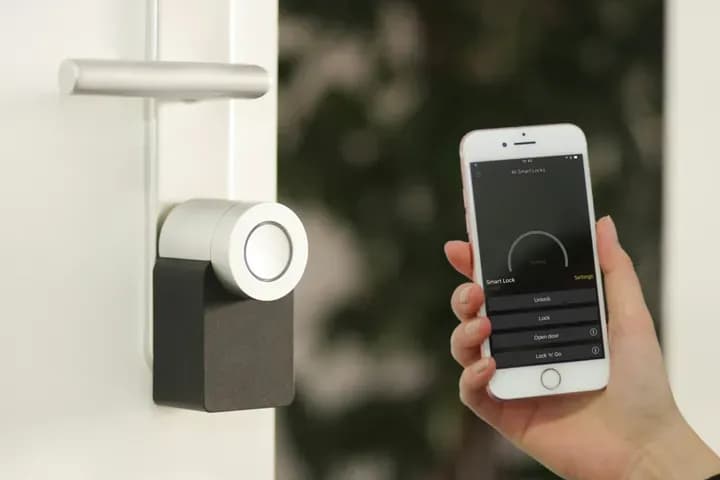
An unmonitored, or self-monitored, smart home security system sends alerts straight to your phone. If a sensor is triggered, a camera catches movement, or an alarm sounds, you get a notification and decide what happens next. You can check your cameras, contact someone nearby, or call emergency services yourself. Many DIY systems work this way, usually with an upfront equipment cost and little or no monthly monitoring fee. Some may still charge for extras such as additional app features.
A professionally monitored home security system adds another layer of support. When an alarm is triggered, the alert can go to both you and a staffed monitoring center.
That’s when a trained professional can check the alert, contact you for confirmation, and call the appropriate emergency services when needed. This provides constant coverage and convenient support, particularly when you are busy or unable to respond to an alert yourself.
Cost Differences: Monthly Fees vs. One-Time Equipment
When it comes to cost, the choice is fairly simple: self-monitoring can mean smaller ongoing costs, while professional monitoring pairs added support with an ongoing fee.
Unmonitored or DIY systems usually involve paying for your equipment upfront, including sensors, cameras, and a central hub. Monthly costs can stay minimal unless you choose extras such as cloud storage, smart controls, or advanced app features. This makes DIY a practical pick for people who prefer control and cost flexibility.
Professionally monitored systems add a recurring monitoring fee, but that cost comes with constant coverage and continued support. Depending on the plan, you may also get connected features such as video verification and smart-home integration. Some providers even pair equipment perks with longer monitoring plans.
Ultimately, the better value depends on your priorities. Comparing costs and commitment can help you pick a home security plan that suits your space and spending.
Can a Monitored Home Security System Lower Homeowners Insurance?
One benefit that is easy to miss when comparing home security systems is the potential for homeowners insurance savings. Some insurance providers offer discounts when your home has a professionally monitored system because it provides constant coverage and a clear process for responding to alarms. You may need to provide proof that professional monitoring is active before you can qualify.
DIY and self-monitored systems may also bring some savings, especially when they include security sensors or other safety features. However, professionally monitored systems may qualify for broader benefits and better discounts because there is a monitoring team ready to respond when an alarm is triggered.
That is why it pays to look beyond the monthly monitoring fee. Check with your insurer first, then use RateWorld to compare qualified home security plans available at your address. Looking at costs, coverage, and potential savings together can give you a clearer picture of which plan provides the right protection and overall value for your home.
Who Each Option Suits Best
The right home security setup depends on your home, habits, and priorities. Both DIY and professionally monitored systems can provide practical protection, but they suit different situations.
Unmonitored or DIY security may suit:
- Renters looking for a flexible, fuss-free setup without permanent installation.
- Budget-conscious households that prefer smaller, simpler ongoing spending.
- People who are regularly reachable and ready to respond to alerts themselves.
- Smaller homes or apartments where a simple set of sensors and cameras can provide practical protection.
Professionally monitored security may suit:
- Homeowners who prefer continued support.
- Frequent travelers who want reliable reassurance while they are away.
- Larger households and homes with more rooms and multiple entry points to protect.
- Homeowners who may benefit from insurance incentives and potential savings through professional monitoring.
- Families who prefer prompt, professional support when an alarm is triggered.
Both options can provide protection, but professionally monitored home security offers an added layer of coverage and convenience. Instead of relying on you to catch every alert, professional home monitoring provides continued support when you are working, sleeping, or simply away from your phone.
With RateWorld, you can compare qualified home security plans available at your address, making it easier to review your options and find professional protection that fits your security priorities.
Choose Smarter Security for Your Home With RateWorld
The real challenge is not simply choosing between monitored and unmonitored security. It is finding home security services available at your address and understanding the coverage and contract conditions that come with each option. These details can differ between providers, so comparing the complete package can give you a much clearer picture than focusing on the advertised starting price alone.
RateWorld makes that comparison clear, convenient, and straightforward. Enter your address to compare qualified home security options available in your area, with plan details laid out side by side.
Ready to protect your place with a plan that fits? Contact RateWorld to compare home security services, clarify your choices, and find professional protection that suits your home, household, and priorities.
Frequently Asked Questions (FAQs)
What is the difference between monitoring and surveillance?
The main difference between monitoring and surveillance is how each helps protect your home. Surveillance uses cameras to help you see and record activity around your property, while professional monitoring adds a trained team that can respond when an alarm is triggered. For homeowners looking for constant coverage and continued support, a monitored home security system can provide an added layer of protection.
What are the different types of home security systems?
The main types of home security systems include professionally monitored, self-monitored, and unmonitored systems.
Is professional home security monitoring worth it?
Yes, professional home security monitoring can be worth it if you value 24/7 coverage when you cannot respond to an alert yourself. A monitoring team can help handle alarms while you are away from your phone. While professional monitoring usually comes with an ongoing cost, the constant coverage, convenient response, and reassurance can make it a practical pick for many households.
How does professional home security monitoring work?
Professional home security monitoring works by connecting your security system to a staffed monitoring center. When an alarm is triggered, the monitoring team receives the alert, and follows the provider's verification process. This means your home can have continued coverage, even when you cannot immediately check an alert.
Do monitored home security systems work without Wi-Fi?
Some monitored home security systems can work without Wi-Fi, depending on the connection used. Certain systems use cellular connections or other backup methods to keep key security features running if your internet goes down. Since capabilities can vary by provider and plan, compare the connection requirements before choosing your home security service.
